

- Kingdom - Animalia
- Phylum - Mollusca
- Class - Gastropoda
- Order - Stylommatophora
- Family - Oreochelicidae
- Species - Oreohelix (strigosa) cooperi
- Endangered snails that are found in the Black Hills region.
A one shelled mollusks that were once bilaterally symmetrical, typically spiral shelled, torsioned and with a centralized nervous system. With a mantel and muscular foot allowing it to live and move respectively. They breath through gills using stored water if terrestrial to breath. Their anus is located above the mouth.
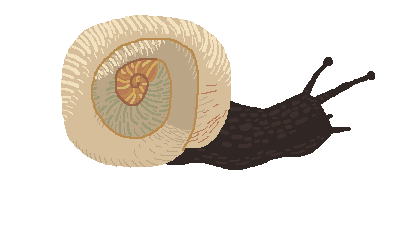
They are mostly known by their shells which are tan-brown with distinct ribbing. Adults having 5-5 ¾ whorls and juveniles hatching with 2-2 ¼ whorls.
Feeding on decayed leaf litter and other vegetation. Helping clean up the forest floor making them important to the areas that they live in.
Hermaphrodites they don’t have different sexes. They also don’t lay eggs being ovoviviparous their young hatching in the parents body. They breed usually once a year but some individuals only breed once in their lifetime.
It takes 2 years for them to mature, after which they can live for another 2-6 years.
They spend their time crawling on fallen wood, live tree trunks, and limestone chunks. They are unable to move beyond their habitat due to desiccation, predation, and foraging needs.
They share the same habitat and may appear with other local rare land snails. Several rare plant species also co-occur alongside them.
Preyed apon by rodents, other small mammals, amphibians, reptiles, birds, insects, and insect larvae. They may also be prey for the Storeria occipitomeoculata pahasapae. This makes them an important food source for many animals in the Black Hills area.
Currently a G3 Vulnerable on NatureServe’s Conservation Status but outside of South Dakota are critically endangered.
